
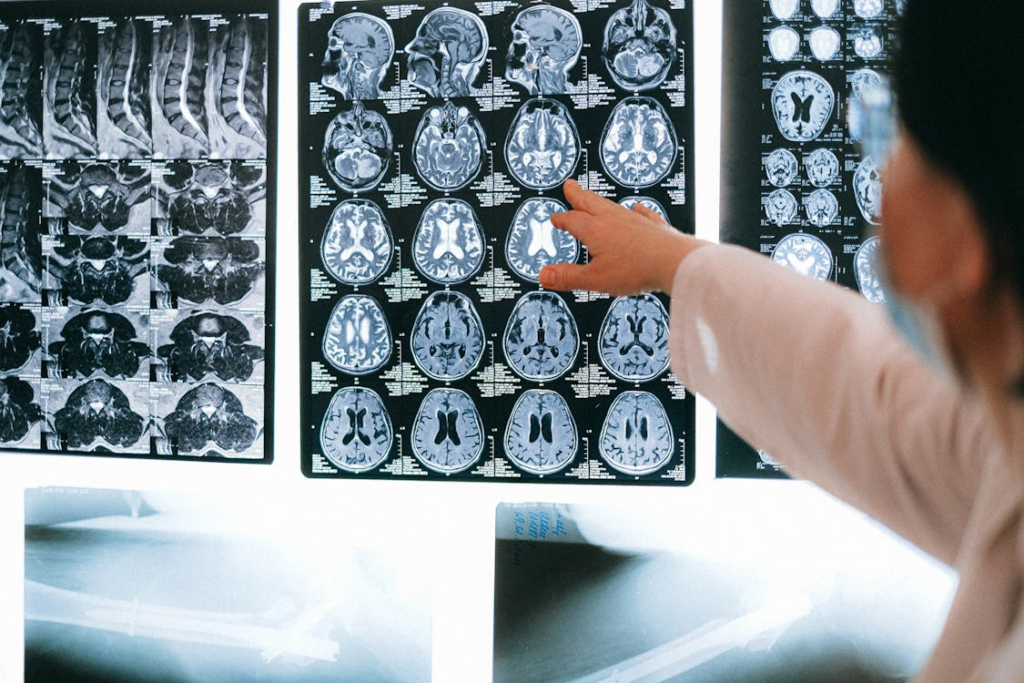
Symptoms can start with something small–a hand that won’t stop twitching, a headache that lingers for weeks, numbness in a foot, or dizziness that comes out of nowhere. You wait, hoping it’ll pass. Sometimes it does, but other times, it doesn’t, and that’s when the question hits: is this something serious? That’s where neurology services come in.
When symptoms point to the brain, spine, or nervous system, fast answers matter. And while neurologists aren’t always the first stop, they’re often the one that brings clarity.
What Exactly Do Neurologists Treat?
Neurologists focus on the body’s command center, your brain, spinal cord, and all the nerves that connect everything together. That system is complex, and when something goes wrong, the symptoms can show up almost anywhere.
Common conditions treated by neurology services include:
- Migraines and chronic headaches
- Seizures and epilepsy
- Stroke symptoms and recovery
- Parkinson’s disease
- Multiple sclerosis
- Neuropathy or nerve pain
- Dizziness or vertigo
- Memory loss or early dementia signs
- Muscle weakness or coordination problems
Sometimes symptoms come on fast. Other times, they build slowly. Either way, if your primary care doctor sees red flags, neurology is the next step.
When to Seek Neurology Services
The tough part is knowing when it’s time. A little tingling after sleeping on your arm? Probably nothing. But if that tingling becomes frequent, spreads, or is paired with weakness or vision changes, it’s time to get checked.
Here are some signs you shouldn’t ignore:
- Sudden, unexplained changes in vision, speech, or balance
- Persistent or unusual headaches
- Memory problems that interfere with daily life
- Loss of coordination or frequent falls
- Numbness that spreads or doesn’t go away
- Shaking, tremors, or muscle spasms
You don’t need to diagnose yourself. That’s what the neurologist is for. But you do need to pay attention, because early detection changes everything.
What Happens at the First Appointment?
Neurology evaluations aren’t rushed. Expect a long, detailed discussion of your symptoms, when they started, how often they happen, what seems to trigger them, and what makes them better or worse.
The doctor will likely perform:
- A neurological exam (reflexes, strength, coordination, eye tracking)
- Cognitive screening if memory or speech is involved
- A review of your full medical history, even things that seem unrelated
From there, they may order tests. MRIs. EEGs. Blood work. These aren’t just for confirmation, they help rule things out, which is just as important.
Don’t Expect a Diagnosis on Day One
Here’s what most people don’t hear: neurological problems take time to diagnose. Unlike a broken bone or a strep test, there’s often no one “proof”, it’s a puzzle.
That doesn’t mean you’re being dismissed. It means your doctor is being careful. Most serious conditions share symptoms with less serious ones. Jumping to conclusions helps no one.
Instead, a smart neurology clinic will build a timeline with you, tracking what’s happening now, what could be causing it, and what needs to be watched closely.
How Fast You’re Seen Can Make a Difference
In some cases, waiting isn’t an option. If symptoms are affecting your ability to speak, move, or function, fast evaluation is critical.
That’s why access to neurology services through a local clinic, rather than only hospitals or long waits at large networks, matters so much.
Early appointments lead to early imaging. That leads to earlier intervention. Which, for stroke risk or degenerative conditions, can mean the difference between stability and long-term decline.
What Tests Might Be Ordered?
It depends on the symptoms, but here’s a quick overview:
- MRI or CT scans: Check for structural issues, tumors, or signs of stroke
- EEG (electroencephalogram): Monitors brain wave activity for seizure disorders
- EMG/NCS (nerve studies): Measures how well nerves send signals to muscles
- Cognitive tests: Used when memory loss or confusion is part of the concern
- Blood work: Looks for inflammation, autoimmune markers, or infections
Some tests happen on-site. Others may be scheduled later. The key is not just running them, it’s knowing what to look for.
How Neurology Clinics Support Long-Term Care
For some patients, the visit is a one-time thing. The problem’s identified, treated, and resolved. But for others, neurological conditions become part of life.
In those cases, neurology services don’t just provide answers. They provide ongoing care plans. That can include:
- Medication management
- Physical or occupational therapy coordination
- Lifestyle and mobility planning
- Regular monitoring and follow-up imaging
It’s not always about finding a cure. Sometimes, it’s about building a system that helps you live better with what’s happening.
What to Bring to Your Appointment
You’ll get more out of the first visit if you show up prepared.
Bring:
- A list of symptoms, when they started, and how often they happen
- Any relevant test results or imaging from other providers
- A list of current medications, supplements, or treatments
- Notes from family or friends if they’ve noticed changes
Memory issues, dizziness, or brain fog can make it hard to explain everything clearly, having it written down helps both you and the doctor.
The Sooner You Ask, the Sooner You Know
Neurological issues don’t always look dramatic. Sometimes they whisper, in tremors, in short-term memory slips, in the way your foot drags just a little when you walk.
Ignoring those signs won’t help. But checking them out might give you peace of mind. Or answers. Or a head start on managing something early.
If you’re feeling unsure about a symptom that just won’t go away, don’t leave it up to guesswork. At Avalon Medical Center, our neurology services help you get clear answers, understand what’s happening, and address issues before they become something bigger.