
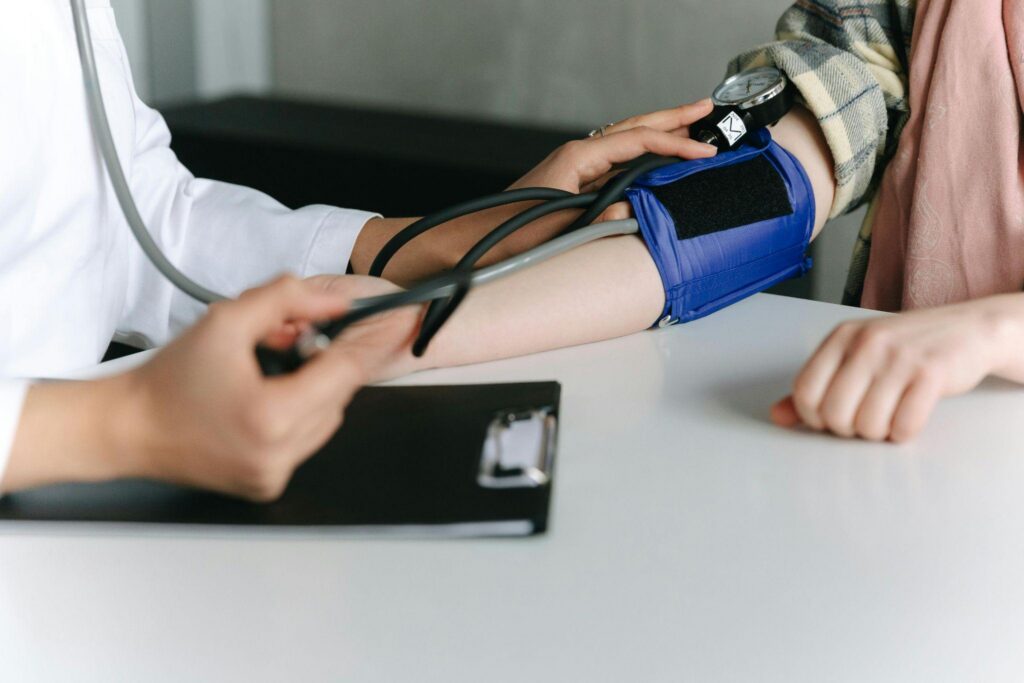
You probably don’t think much about your arteries and veins—until something starts to feel off. Maybe your legs feel heavy at the end of the day. Maybe you’ve noticed some swelling, spider veins, or even a sore that just won’t heal. All of these could be symptoms of a vascular problem, and recognizing them early makes a major difference.
It’s not just for really bad cases that you need vascular surgery and therapy. They are for regular individuals who are in actual pain, such those who have varicose veins, poor circulation, or diabetes-related problems. There are more and more treatments that work faster, safer, and better than ever before, and many of them don’t even need surgery.
Let’s talk about what vascular care is, why it’s important, and what your choices are.
What Exactly Is Vascular Care?
Your vascular system is made up of all the blood vessels that are not in your heart or brain. This includes veins, arteries, and capillaries. Your blood flow declines and symptoms start to show up when these vessels get clogged, weakened, or hurt.
That’s when vascular care comes in. Specialists can find and fix a lot of circulation problems using modern imaging and techniques that don’t require a lot of cutting. The goal is simple: get your blood flowing normally, ease your symptoms, and help you avoid worse problems in the future.
Everyday Issues That Vascular Doctors Treat
Vascular problems can show up in small ways, and at first they might not seem like a big deal. But if you don’t treat them, they might be bad for your health. Some of the most prevalent issues are:
Spider Veins and Varicose Veins You might ignore them as a cosmetic concern, but varicose veins can make your legs hurt, swell, itch, and make you tired. They also mean that your veins aren’t operating right.
Peripheral Arterial Disease (PAD) is a disorder that arises when plaque builds up in the arteries, which makes it harder for blood to flow to your legs and feet. If your calves hurt or cramp when you walk even a short distance, you might have PAD.
Diabetic Foot Pain or Slow-Healing Wounds
If you have diabetes and notice numbness, tingling, or ulcers on your feet, you may be dealing with circulation problems. These need attention—fast—to avoid infections or worse.
Chronic Wounds
Leg wounds that just won’t heal may be caused by poor blood flow. A vascular specialist can often pinpoint the issue and get healing back on track.
Modern Treatments That Work (Without the Hospital Stay)
Thanks to major advances in technology, many vascular treatments today are done right in the doctor’s office. That means less downtime, fewer risks, and a much more comfortable experience. You could hear about some of these options:
Endovenous Radiofrequency Ablation (RFA) This procedure closes off bad veins by sending heat through a small catheter. It’s rapid, almost painless, and it enables your body to naturally move blood through healthier vessels.
VenaSeal™
This non-thermal option uses a medical adhesive to seal off varicose veins. No heat, no compression stockings afterward, and you’re back on your feet almost immediately.
Varithena®
A foam injected into diseased veins that causes them to collapse and fade away. It’s especially good for larger, twisted varicose veins.
Sclerotherapy
If you have smaller varicose or spider veins, this simple injection treatment helps them gradually disappear.
Endovascular Procedures
For more serious artery problems, endovascular surgery allows doctors to repair blockages from the inside using small tools and imaging—often through just a tiny incision.
Vascular Ultrasound Imaging
Before any treatment happens, you’ll usually have a painless ultrasound to get a clear view of how your blood is flowing. This helps your doctor decide what treatment will work best.
When Should You See a Vascular Specialist?
Listen to your body. If you have aching, cramping, numbness, visible veins, or wounds that aren’t healing, don’t wait. It’s easy to ignore the signs or assume they’ll go away, but vascular problems tend to get worse over time. Getting answers early can save you from more serious issues—and from long-term discomfort.
If you have diabetes, high blood pressure, high cholesterol, or a family history of circulation difficulties, it’s even more crucial to check in.
Local Vascular Care, Close to Home
You want a venue to get help with vascular problems that is comfortable, efficient, and trustworthy. Our new facility in New Windsor, NY has the newest equipment, a friendly and welcoming atmosphere, and board-certified doctors who can provide vascular testing right in the office. You can be sure you’re getting the best care possible. At Avalon Medical Center, we offer a full range of vascular surgery and therapies that are tailored to your health, comfort, and convenience.