
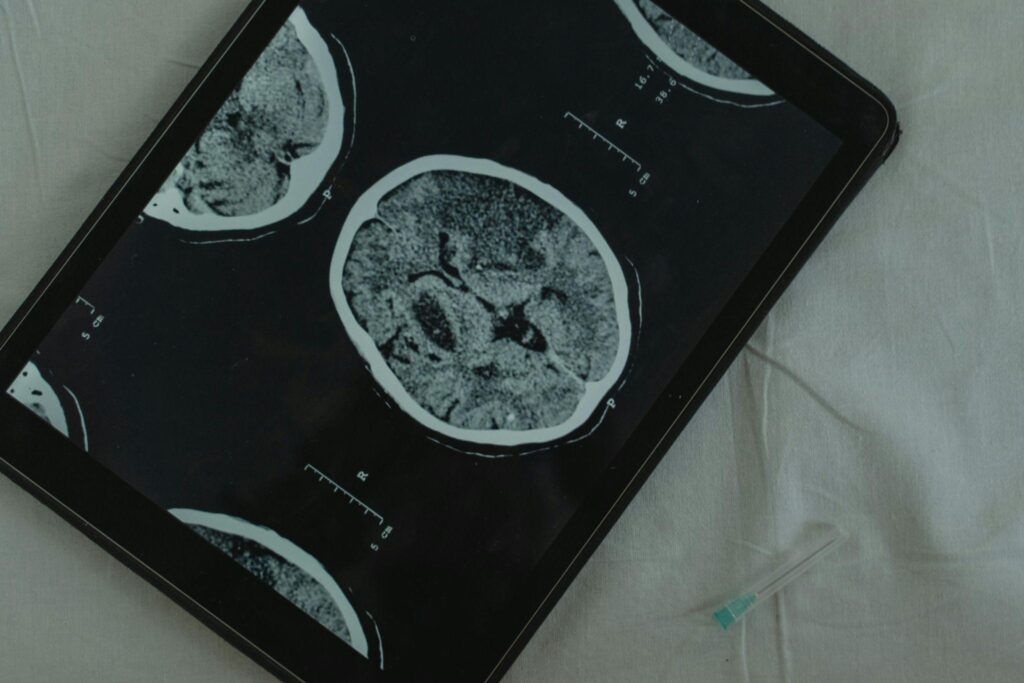
Most of us don’t think much about our nervous system—until something goes wrong. You might brush off a constant headache, tingling in your hands, or a weird muscle twitch. But those symptoms could be your body’s way of telling you that something deeper is going on.
That’s where neurologists come in.
Neurologists are specially trained doctors who diagnose and treat disorders of the brain, spinal cord, nerves, and muscles. They’re experts in figuring out what’s happening when your nervous system isn’t working quite right—and more importantly, they help you get back to feeling like yourself again.
So What Does a Neurologist Treat, Exactly?
It’s a long list, but here are some of the more common reasons people end up in a neurologist’s office:
- Chronic Headaches or Migraines: Everyone gets a headache now and then. But if you’re having severe or frequent headaches—especially the kind that interrupts your day or leaves you in a dark room for hours—it might be time to get help. Migraines can be managed with the right treatment plan, but you’ll need a neurologist to guide you.
- Back Pain That Won’t Quit: Not all back pain is muscular. If it’s radiating down your leg, comes with numbness, or hasn’t gone away with physical therapy or rest, a pinched or damaged nerve could be to blame.
- Nerve Pain or Numbness (Neuropathy): Tingling, burning, or a “pins and needles” feeling in your hands or feet could mean your nerves are irritated or damaged. Neuropathy is common, especially for people with diabetes, but it can also come from other medical conditions or injuries.
- Carpal Tunnel Syndrome: Feel like your hands are always falling asleep? That might be carpal tunnel syndrome, caused by pressure on the median nerve in your wrist. A neurologist can confirm the diagnosis and offer solutions before it gets worse.
- Stroke: Stroke symptoms—like sudden confusion, weakness on one side, or slurred speech—need immediate attention. But even after the emergency is over, a neurologist plays a key role in helping you recover and prevent future strokes.
- Seizures and Epilepsy: Seizures aren’t always dramatic. Some are subtle, like brief blackouts or odd sensations. If you’ve had an unexplained episode, a neurologist can run tests to see what’s going on and, if needed, help you manage epilepsy.
- Movement Disorders: If your hands shake, your muscles feel stiff, or your body doesn’t move the way it used to, you might be dealing with a movement disorder like Parkinson’s disease. Neurologists can help improve mobility and quality of life.
- Multiple Sclerosis (MS): MS affects the central nervous system and can cause fatigue, vision problems, numbness, or trouble walking. While there’s no cure, neurologists help people manage symptoms and slow the disease’s progression.
Signs You Shouldn’t Ignore
How do you know it’s time to see a neurologist? It’s not always obvious. But there are signs your body gives you—some loud, some subtle. Here are a few you shouldn’t brush off:
- Headaches that are frequent, severe, or unusual
- Sudden vision changes or eye pain
- Tingling, numbness, or burning in your limbs
- Muscle weakness or coordination problems
- Trouble walking or balancing
- Memory issues, confusion, or speech problems
- Seizures or unexplained blackouts
- Dizziness, vertigo, or fainting spells
- Tremors, shaking, or involuntary movements
- Chronic pain that hasn’t responded to other treatments
If you’re experiencing one or more of these symptoms, don’t wait around hoping it’ll go away. Getting a neurological evaluation can bring clarity—and relief.
How Neurologists Figure Out What’s Going On
Diagnosing neurological conditions isn’t like checking for strep throat or a broken bone. The nervous system is complex, so neurologists use a variety of tools and tests to get a full picture. Some of the most common include:
- Neurophysiologic Testing: These studies measure how well your brain, spinal cord, and nerves are communicating with each other.
- EEG (Electroencephalography): This test tracks the brain’s electrical activity and is especially helpful for detecting seizures or sleep disorders.
- EMG (Electromyography) and Evoked Potentials: These tests assess the health of your muscles and the nerves controlling them. They’re often used for conditions like neuropathy or carpal tunnel syndrome.
These tools help neurologists pinpoint the source of your symptoms and create a treatment plan that’s tailored specifically to you.
Neurological Care That Puts You First
At Avalon Medical Center, we understand how frustrating neurological issues can be. That’s why our team—including your dedicated New Windsor neurologist—takes the time to listen to you, explain what’s going on, and walk you through every step of your care.
Whether you’re dealing with something as common as migraines or a more complex condition like nerve damage, we’re here to help you get the answers you need—and most importantly, help you feel better. With our advanced diagnostic tools, compassionate care, and a focus on you as a person, we aim to make your life healthier and more comfortable.
If your body’s been sending you signals that something’s off, don’t ignore them. Reach out and schedule an appointment with one of our neurologists today. You don’t have to face it alone, and we’re here to help you on your path to feeling better.